
Designing Classrooms Where Every Student Can Belong, Engage, and Learn
By: Katie Passerotti
September 21, 2026
What would it be like if you could walk into a classroom where every student:
saw themselves reflected in the curriculum
was able to demonstrate learning in multiple ways
was able to make meaningful connections to their lived experiences
was able to develop empathy and move toward being a global citizen
This is the education utopia that teachers dream of. And it’s one that is possible to reach if teachers are provided the time, resources, and support they need to make it a reality. Throughout my coursework for CI6103 Curriculum and Instructional Design, I have gained knowledge that will help me to chart a course for a fully inclusive classroom and realized there are still important questions educators need to be asking.
One of those questions is:
Are we designing our classrooms for the students we actually have or are we designing them for imaginary students who fit into our vision of how a student should learn?
This question, in one form or another, continued to pop up through my coursework. Across my assignments, I examined effective lesson planning, meeting the needs of diverse learners, the importance of cultural responsiveness, writing across the curriculum, interdisciplinary learning, Universal Design for learning, and social-emotional learning. Although these may seem like separate curriculum concerns, they all overlap and intersect—each is essential to provide the best learning opportunities for the student. It also reinforced that effective curriculum design begins with the learner.
A student-centered classroom puts the student first and utilizes the principles of Universal Design for Learning by asking teachers to anticipate barriers, understand who their students are, provide multiple pathways to learning, and intentionally create opportunities for students to see themselves and their experiences reflected in the classroom (Doran, 2015).
MOVING BEYOND THE ONE-SIZE-FITS-ALL CLASSROOM
A significant portion of my coursework focused on effective lesson planning and curriculum design. One of the clearest themes that emerged was that there is no single instructional strategy that works for every student. There are myriad strategies a teacher can choose from including Universal Design for Learning, differentiated instruction, blended learning, and so many more. But each of these frameworks agree on one thing: each student has their own best way of learning and as a teacher, it’s important to identify and then utilize the strategy the student needs. Almeqdad et al. (2023), for example, identified engagement, representation, and action and expression as important components of Universal Design. Differentiated instruction similarly recognizes that students have different needs and allows teachers to adjust instruction accordingly (Asriadi et al., 2023).
At the same time, my research had me challenging the idea that labeling a student as a particular type of student wasn’t enough. Clinton-Lisell and Litzinger (2024) found that matching instruction to perceived learning styles did not have a significant enough impact on student success to justify the effort required. This was a key distinction for me as I continued my coursework. Having a student-centered classroom did not mean asking students to fit themselves into predetermined categories, it meant designing instruction to allow students meaningful ways to engage with and demonstrate learning.
Cao (2023) made a similar point about blended learning. Technology and multimedia can create additional pathways to learning but are most effective when used intentionally and response to student needs. This means the goal isn’t more strategies, it’s to have the right strategies for the learners and the learning objectives.
MOVING BEYOND THE ONE-SIZE-FITS-ALL CLASSROOM
Across each assignment and article I read, another common theme was the importance of knowing your students. A student who does not feel safe, valued, or represented may not be in the best position to engage academically. Cimermanová (2018) emphasizes the importance of creating a classroom environment where students feel comfortable and welcome, while Barry (2024) connects belonging and engagement with academic outcomes. In my interview with a veteran teacher, the same sentiment was conveyed. They noted that getting to know the students not only allowed them to improve academic outcomes but allowed them to proactively manage their classroom because they could tell when something was off with a student (personal communication, August 19, 2026). In short, student academic needs cannot be separated from social-emotional needs.
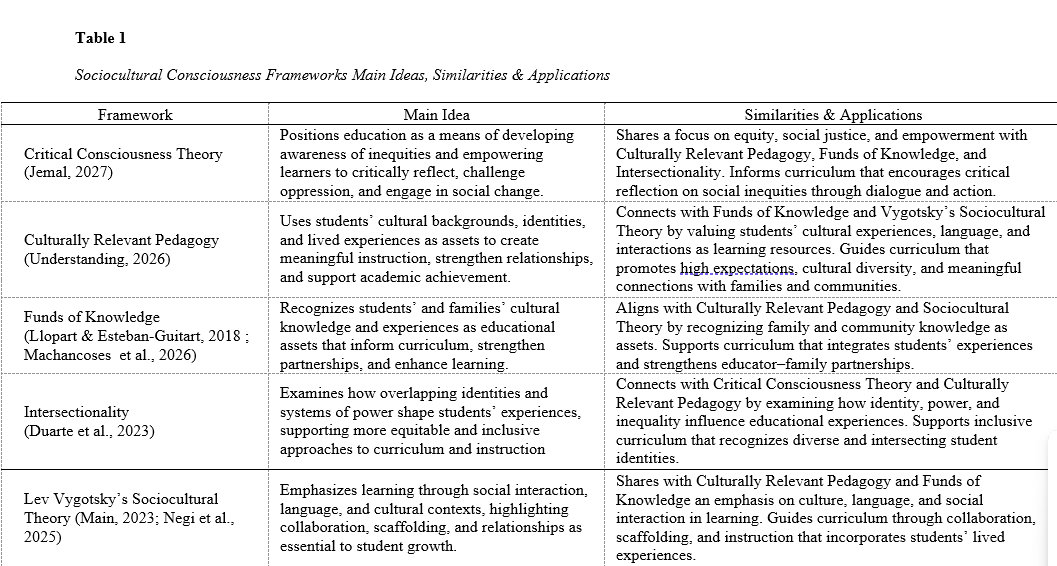
The connection between socio-emotional learning and cultural responsivity is important for teachers to understand. Culturally responsive teaching requires educators to examine their own assumptions, learn about their students, seek out marginalized perspectives, and make meaningful changes to curriculum and classroom culture (Duarte et al., 2023). This is where Culturally Relevant Pedagogy and Vygotsky's Sociocultural Theory became particularly meaningful in my work. You can see my comparison of frameworks in Table 1. Both frameworks emphasize the importance of students' lived experiences and social relationships in learning. Students do not enter our classrooms as blank slates. They bring their families, communities, languages, cultures, experiences, and identities with them.
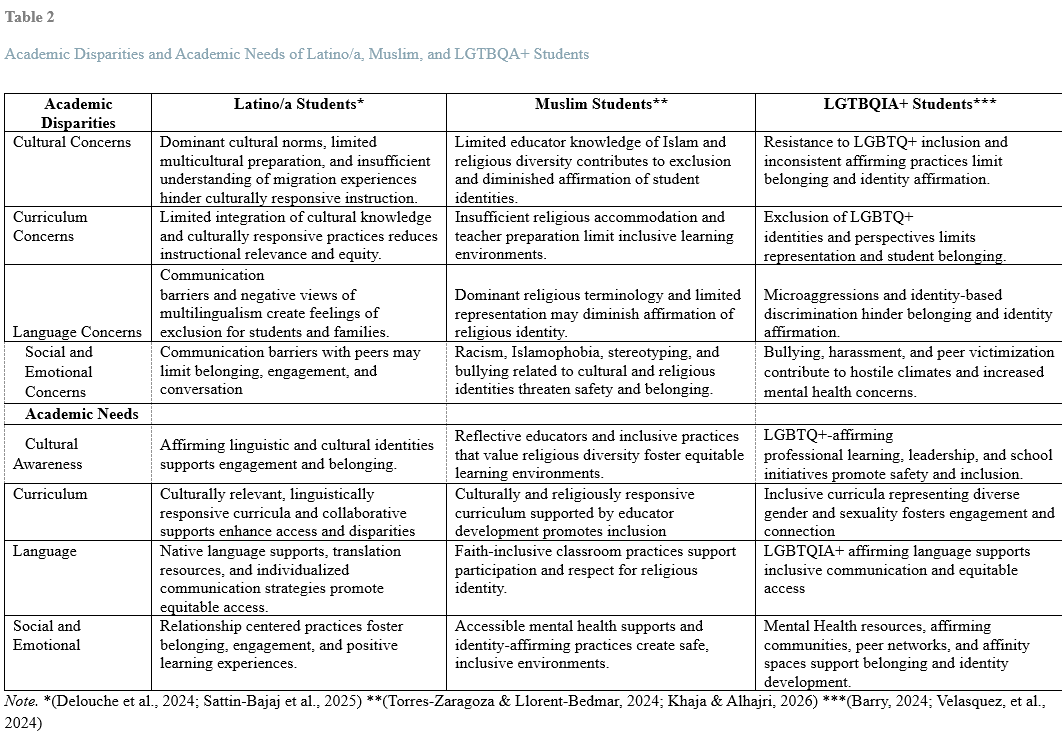
Throughout the educational system, the needs of marginalized students are not being met in a way that allows them to fully realize their academic potential. In studying the specific needs of Latino/a, Muslim, and LGBTQIA+ students, significant gaps were identified and be seen in Table 2.
One way of getting to know students in my English Language Arts class is by having them write. To be clear, writing is not only an English language arts skill. Graham et al. (2024), Holmes et al. (2022), and Saulnier (2016) all support the idea that writing can strengthen understanding and critical thinking across content areas. Writing in all subject areas has a positive impact on student outcomes, but it also provides a way of getting to know your students.
Providing students the opportunity to not only acquire information, but to reflect, communicate, understand different perspectives, develop empathy, and consider how what they are learning connects to the world around them. This is a direct link to the socio-emotional learning factor of curriculum development. Neither exists in isolation and it’s why writing across the curriculum should be incorporated across a district’s curriculum.
SOCIAL-EMOTIONAL LEARNING
This was why I chose to focus my research project for this course on the intersection of socio-emotional learning and cultural responsivity. Social-emotional learning has become increasingly common in American schools, and research connects SEL with outcomes such as student competence, academic success, empathy, classroom climate, and self-regulation (Almardiyah et al., 2025; Brown et al., 2025; Kaplan & Göl-Güven, 2026). However, I saw a problem in that most socio-emotional learning curriculums are designed around a narrow cultural perspective, we risk asking students to develop social-emotional skills through examples, expectations, and experiences that don't necessarily reflect their lives. Heidelberg et al. (2026) found that many SEL programs reflect Eurocentric, middle-class norms and do not adequately account for the experiences of racially and ethnically minoritized students. Jones et al. (2026) similarly argued for SEL that engages with issues of equity, identity, and social justice.
I wanted to know if using Universal Design for Learning could provide a framework for adapting socio-emotional learning curriculum that was built as a one-size-fits-all model and shift it so it became more accessible and meaningful to the students?
Specifically, my research examined three questions:
How do educators use multiple instructional modalities when implementing SEL?
How do educators adapt SEL instruction to meet the needs of culturally diverse learners?
How prepared do educators feel to provide culturally responsive and UDL-aligned SEL instruction?
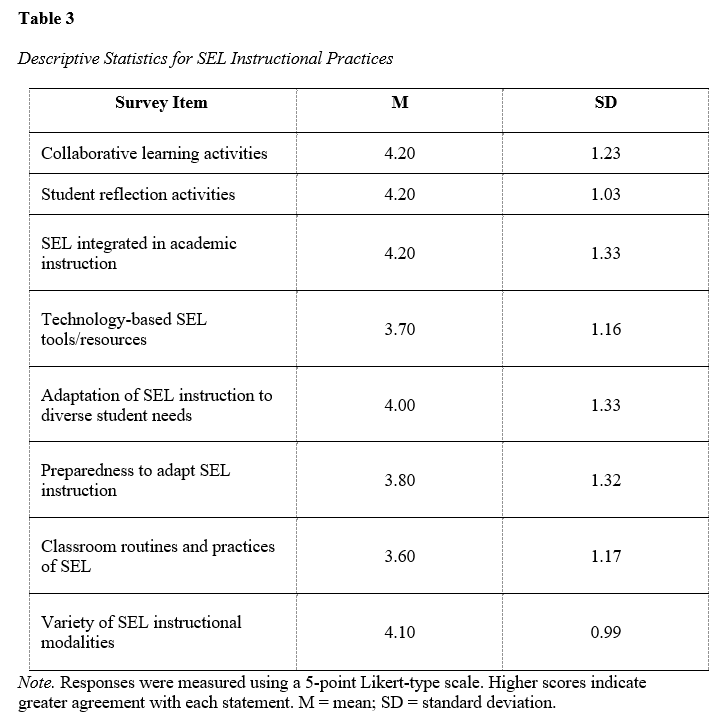
I surveyed ten teachers using eight Likert-scale questions and four open-ended questions. I also conducted a qualitative interview with a veteran teacher to better understand how these ideas actually play out in the classroom. It should be noted that the sample was small, so the findings cannot be generalized to the American education system. But the responses were still revealing. Teachers reported regularly using multiple modalities when teaching SEL. Collaboration, reflection, and integration of SEL into academic instruction each received a mean score of 4.20. Teachers also reported using a variety of instructional materials, with a mean of 4.10. (See Table 3)
The qualitative responses helped connect to what those numbers actually meant in daily classroom practice. Teachers described a variety of modalities in how they delivered instruction in socio-emotional learning or incorporated it into their classroom. These included:
Discussion and dialogue
Reflection and journaling
Collaboration
Student choice
Diverse texts
These strategies aligned with the ideas and concepts I had encountered throughout each of my assignments and in my research. Summarized, the concepts that kept coming up again and again were:
Each of these concepts links back to the foundational idea of taking the time to build meaningful relationships with students to improve academic outcomes. For a deeper dive into my research project, check out the video presentation I made:
Student choice
Multiple modalities
Collaboration
Reflection
Lived experiences
Representation
Student agency
RELATIONSHIPS AS CURRICULUM STRATEGY
As I mentioned before, the veteran teacher I interviewed (personal communication, August 19, 2026) emphasized how getting to know students is one of the most effective ways to prevent challenging behaviors and create academic success for students. The open-ended questions on my teacher survey further supported this idea.
Teachers described creating welcoming environments, learning about their students' cultures, adapting instruction based on student needs, and providing opportunities for students to share their experiences. This connects directly to my second assignment, where I examined the relationship between belonging and academic success. It also connects to Vygotsky's Sociocultural Theory, which emphasizes the importance of social interaction and context in learning (Main, 2023; Negi et al., 2025). The relationship between teacher and student isn't something that exists separately from curriculum. The relationship is part of the curriculum. When students believe their teacher knows them, respects them, and values their experiences, they are more likely to participate. When they feel safe sharing their perspectives, they have more opportunities to develop empathy and understand perspectives different from their own. And when students feel that they belong, they are better positioned to engage in the academic work happening around them. Building meaningful teacher-student relations may be one of the most important strategies an educator can use in their classroom.
Maintaining Rigor Through Multiple Modalities
Real-world examples/Current events
Building rapport
Creating welcoming environments
Recognizing cultural differences
Modeling empathy
Another connection I found across my coursework was the importance of using multiple modalities. My research found teachers were already using discussions, writing, reflection, role-play, technology, collaborative activities, and other approaches when implementing socio-emotional learning. This aligned with Jones et al. (2021), who identified numerous modalities for socio-emotional learning instruction, as well as research showing positive outcomes from experiential approaches such as adventure activities and student-created board games (Brown et al., 2025; Lin & Chen, 2025).
However, providing multiple ways to engage with content does not mean lowering expectations. Universal design for learning allows teachers to maintain the rigor of the learning objective while removing unnecessary barriers to achieving it. Whether the
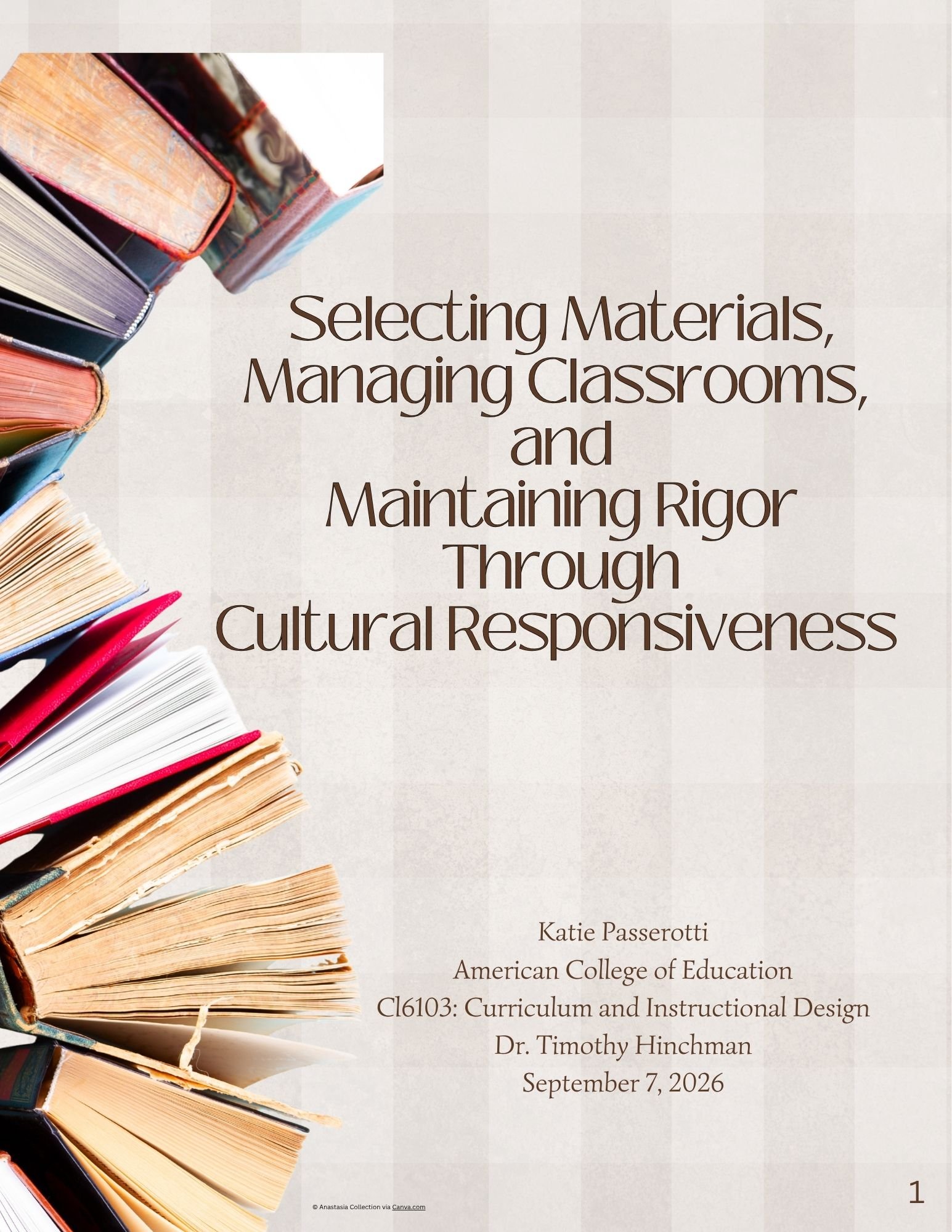
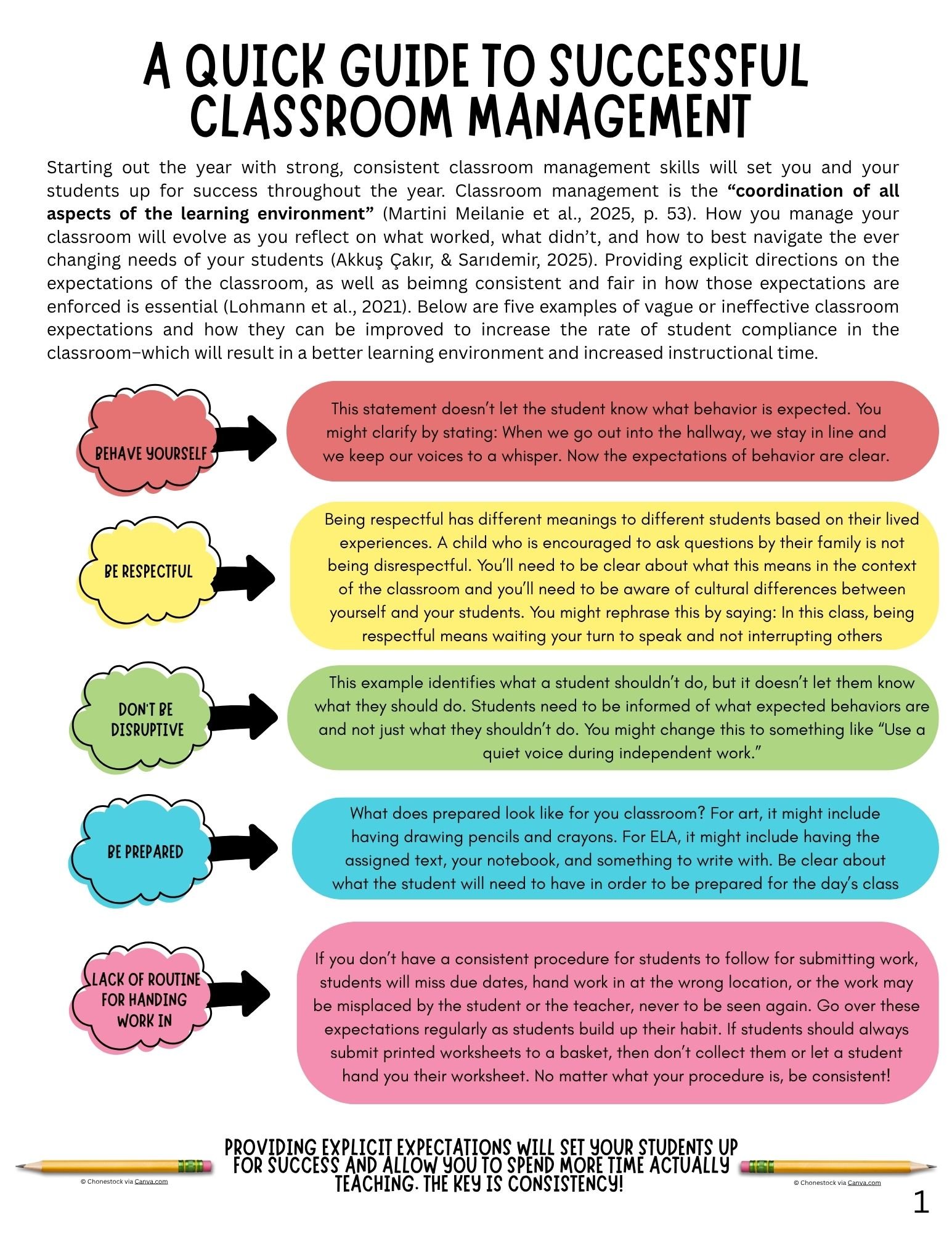
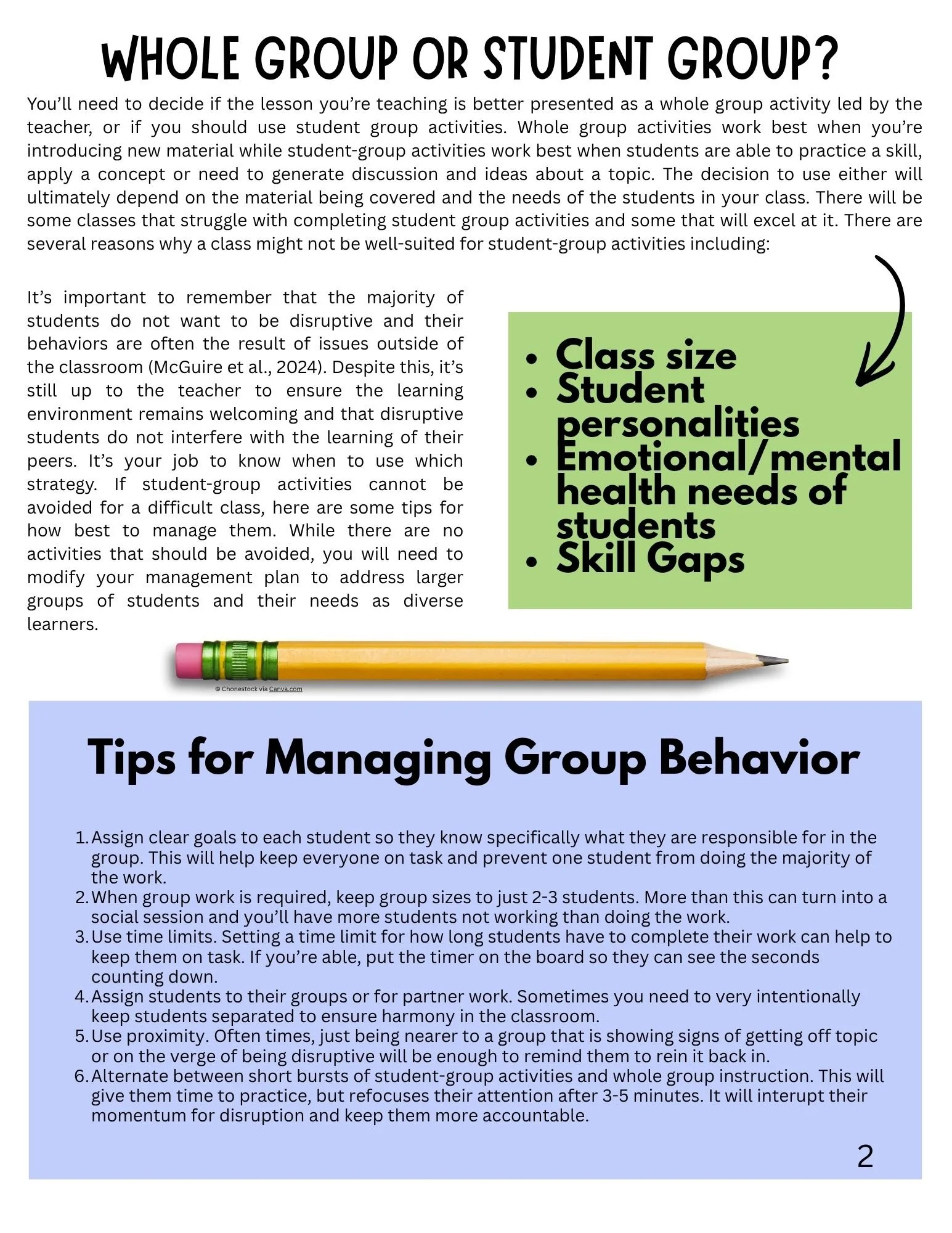
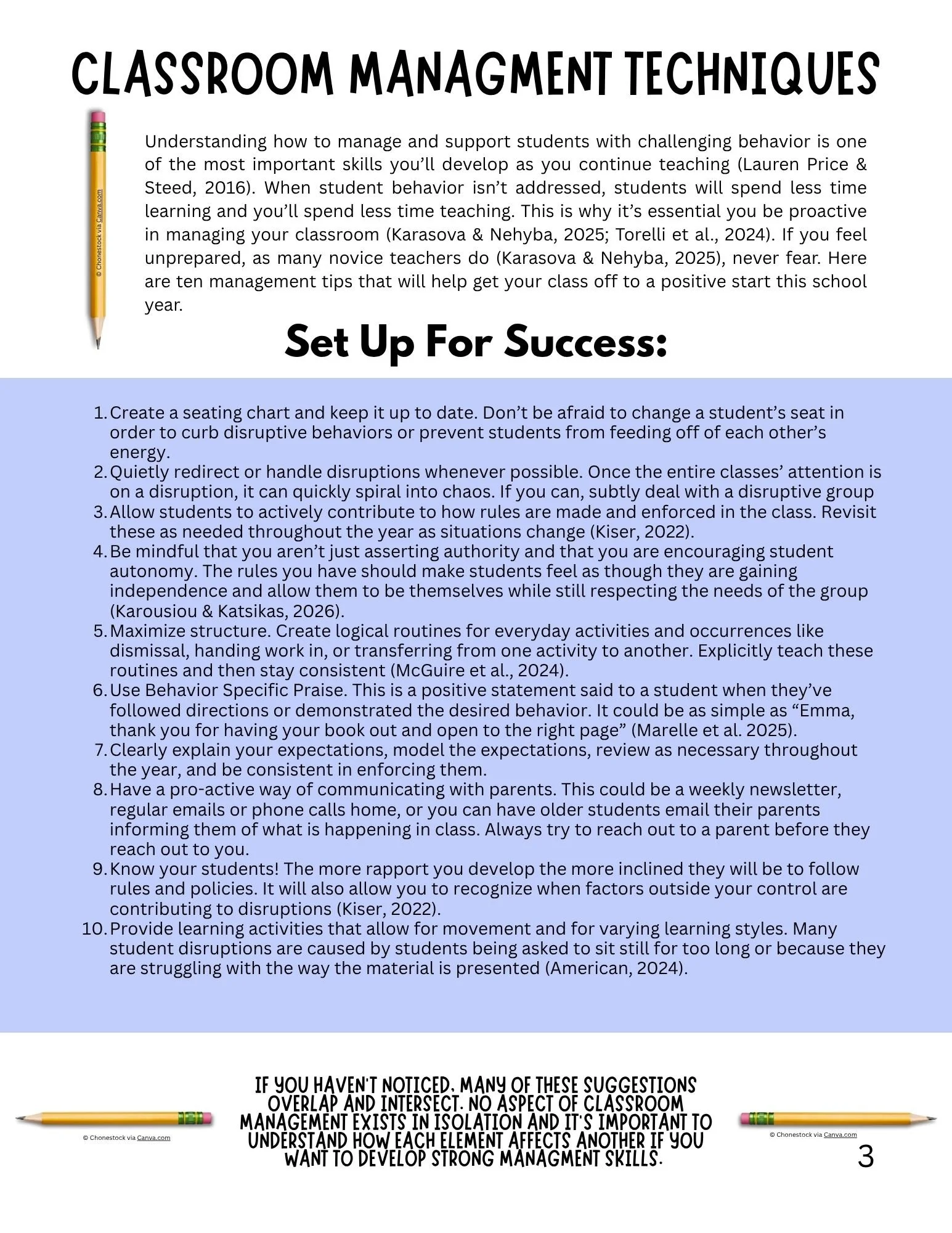
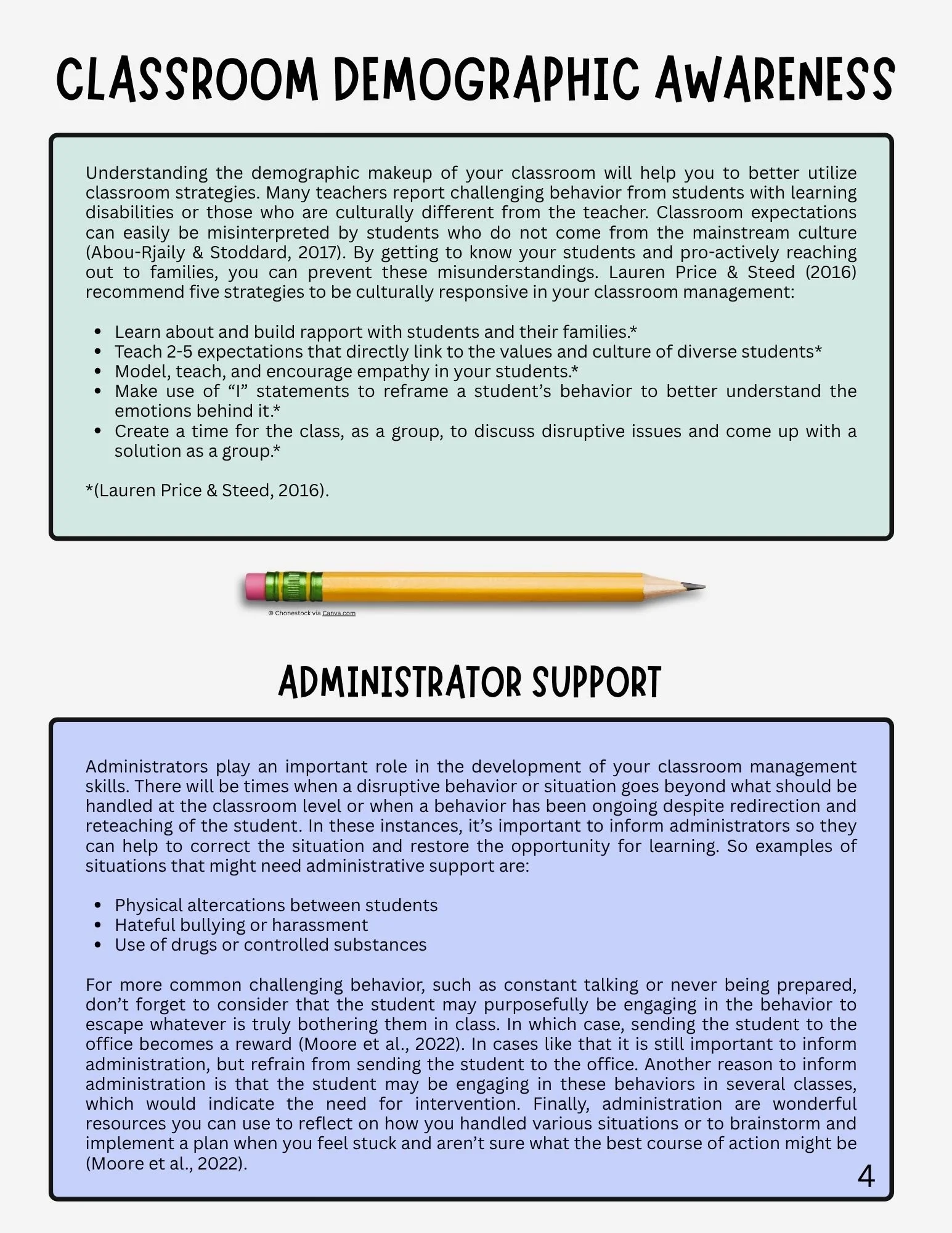
student reads a text, watches a video, participates in a discussion, reflects through writing, or engages in a hands-on activity, the student has the opportunity to engage with the material in a way that will facilitate their learning without compromising rigor. The veteran teacher I interviewed shared how they were very intentional with how a question or prompt was designed so that it provided the same rigor regardless of the academic abilities of the student responding (personal communication, August 19, 2026). This meant the question acted as a guide, pushing the lower-academic toward mastery while simultaneously allowing GIEP students the flexibility to push beyond the confines of the material at hand. Simply put, the pathway may change, but the rigor does not have to. Effective curriculum design is not about choosing one perfect strategy. It is about intentionally combining evidence-based practices to create meaningful opportunities for diverse learners. Click on the image above to download a copy of Selecting Materials, Managing Classrooms, and Maintaining Rigor Through Cultural Responsiveness—a guidebook made by me based on my research. The three infographics below also provide some quick tips so you can be set up for success in your classroom from the jump.
UNIVERSAL DESIGN FOR LEARNING TO IMPROVE CULTURAL RESPONSIVENESS
Teachers care about being culturally responsive but still feel unsure about how to implement changes that will address this gap. In the open-ended questions on my teacher survey, teachers indicated they wanted:
NEXT STEPS
More professional development
More collaboration with colleagues
Concrete examples
Resources for implementation
Teachers cannot be expected to anticipate barriers if they have not been given the tools to identify those barriers. Teachers must be given the resources and professional training to actually learn and then implement that knowledge. By using the Universal Design for Learning framework, teachers can be provided with a foundation as to where the biggest gaps are in their cultural responsiveness and then make a plan that will allow them to move toward change. Duarte et al.'s (2023) discussed the need for educators to examine their own biases and develop greater awareness of the students they serve. Likewise, Doran (2015) encouraged teachers to use Universal Design for Learning to anticipate barriers—this applies to the teacher’s cultural knowledge about the students in their classroom.
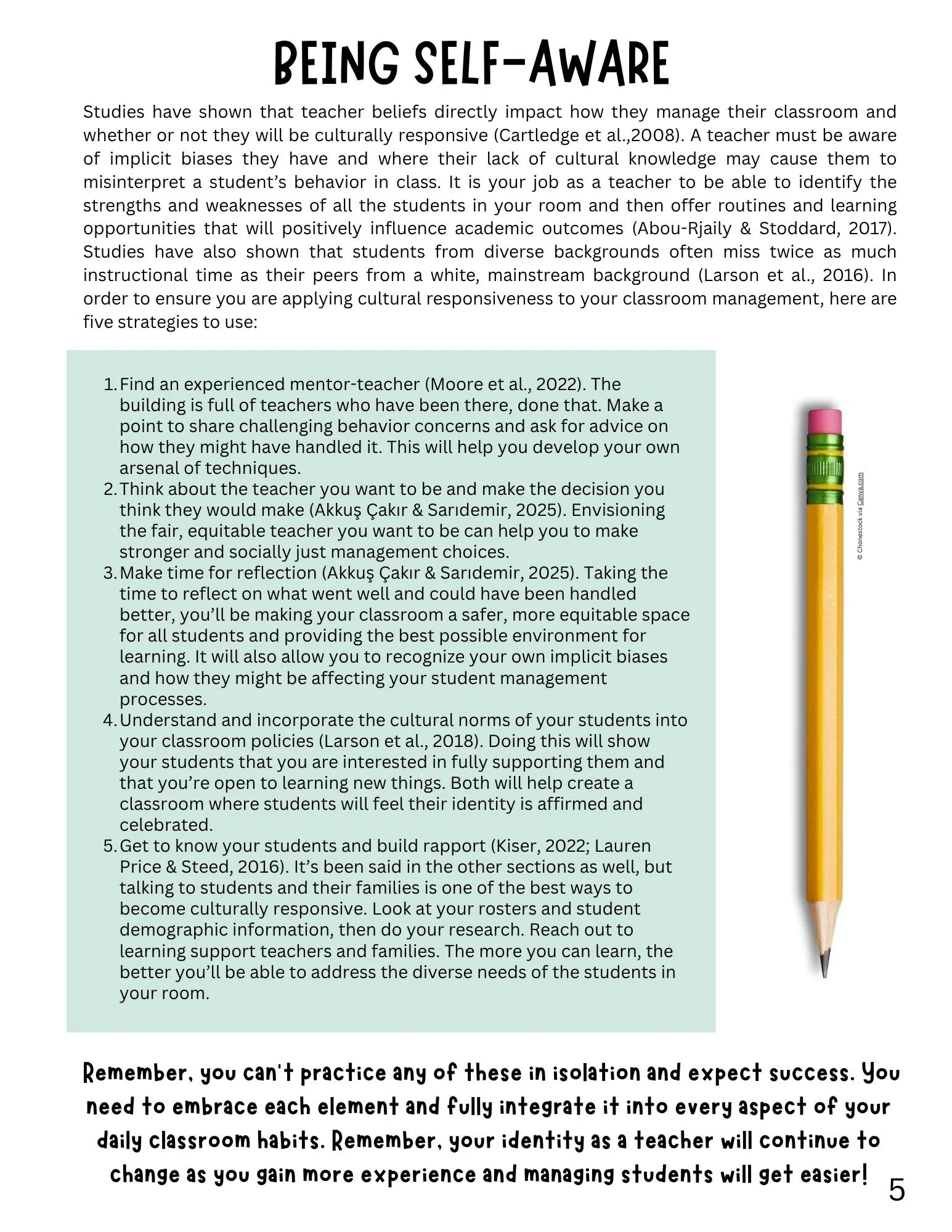
Questions teachers might ask themselves are:
Whose experiences are represented here?
Whose experiences are missing?
Could a student interpret this example differently based on their cultural background?
Are there multiple ways students can engage with this material?
Can students connect the content to their own lives?
Are there multiple ways for students to demonstrate what they understand?
These questions bring together the three principles of Universal Design for Learning: engagement, representation, and action and expression (CAST, 2024). These principles easily connect back to the responses garnered from my survey of what teachers are already doing in their classrooms. By intentionally focusing them on narrowing gaps in a teacher’s cultural responsiveness, the teacher will be able to move closer to the educational utopia I described at the beginning of the blog.
Doing the research and gathering the data is only the first part of the journey. Gaining information doesn’t do much if you don’t then act on it. I’ve considered all the various ways I can move forward and have narrowed it down to three main goals I’d like to focus on in my current teaching practice.
I will make a more conscientious effort to remove barriers before my student encounters them. I know my classroom will always have diverse learners. By taking the time to continue to educate myself about that diversity, I will be better equipped to facilitate their academic success.
I will continue to get to know my students and build the rapport needed so they feel valued, seen, and heard in my classroom. This is the underpinning of having effective classroom management—which extends beyond just managing student behaviors.
I will continue to look for ways to make my classroom and its content more culturally diverse. It’s not just adding in a text from a marginalized author, it’s also celebrating student diversity and making space or conversations centered on equity and social justice.
Throughout this course, the recurring theme was effective curriculum design is impossible to separate from the students it is designed for. An effective curriculum should have:
Rigor
Flexibility
Clear learning objectives
Student choice
It removes unnecessary barriers
It develops empathy, communication, reflection, and social-emotional skills.
It validates students’ lived experiences and culture
All of these elements are just as crucial to a curriculum as the actual subject-matter content that is being delivered to students. When teachers ask, “who are my students, what barriers might they encounter, and whose perspectives are represented?” they will be able to make intentional adjustments to their curriculum and work to create the educational utopia we all desire.
References
Almardiyah, A.Z., Dwi Agustiningsih, R., & Husnaini, R. (2025). Evaluating the effectiveness of multidimensional social-emotional learning (SEL) programs in reducing school bullying: a global systematic literature review of primary and secondary education interventions (2014-2024). IJIP Indonesian Journal of Islamic Psychology, 7(2), 115–131. https://doi.org/10.18326/ijip.v7i2.4973
Almeqdad, Q. I., Alodat, A. M., Alquraan, M. F., Mohaidat, M. A., & Al-Makhzoomy, A. K. (2023). The effectiveness of universal design for learning: A systematic review of the literature and meta-analysis. Cogent Education, 10(1). https://doi.org/10.1080/2331186x.2023.2218191
Asriadi, M., Hadi, S., Istiyono, E., & Retnawati, H. (2023). Does differentiated instruction affect learning outcome Systematic review and meta-analysis. Journal of Pedagogical Research, 7(5). https://doi.org/10.33902/jpr.202322021
Barry, Sara N.. (2024). A qualitative study of in-school support for LGBTQ+ students. BSU Honors Program Theses and Projects. Item 656. https://vc.bridgew.edu/honors_proj/65
Brown, C. L., Heddy, B. C., Gill, K. S., Gowell, J., & Koenka, A. C. (2025). Urban middle schoolers’ experiences of an outdoor adventure education program to facilitate social and emotional development. Education Sciences, 15(7), 841. https://doi.org/10.3390/educsci15070841
Cao, W. (2023). A meta-analysis of effects of blended learning on performance, attitude, achievement, and engagement across different countries. Frontiers in Psychology, 14. https://doi.org/10.3389/fpsyg.2023.1212056
CAST. (2024). Universal Design for Learning. CAST. https://www.cast.org/what-we-do/universal-design-for-learning
Cimermanová, I. (2018). The effect of learning styles on academic achievement in different forms of teaching. International Journal of Instruction, 11(3), 219–232.
Clinton-Lisell, V., & Litzinger, C. (2024). Is it really a neuromyth? A meta-analysis of the learning styles matching hypothesis. Frontiers in psychology, 15, 1428732. https://doi.org/10.3389/fpsyg.2024.1428732
Delouche, A., Marichal, M., Smith-Bonahue, T. & McCray, E. (2024). Unveiling Community Cultural Wealth among Latina/o Immigrant Families. School Community Journal, 34(1), 243–268.
Doran, P. R. (2015). Language accessibility in the classroom: how UDL can promote success for linguistically diverse learners. Exceptionality Education International, 25(3), 1–12. https://doi.org/10.5206/eei.v25i3.7728
Duarte, M., Katrin Losleben, & Kjersti Fjørtoft. (2023). Gender Diversity, Equity, and Inclusion in Academia. Routledge.
Graham, S., Cao, Y., Kim, Y.-S. G., Lee, J., Tate, T., Collins, P., Cho, M., Moon, Y., Chung, H. Q., & Olson, C. B. (2025). Effective writing instruction for students in grades 6 to 12: a best evidence meta-analysis. Reading & Writing, 38(4), 1–46. https://doi.org/10.1007/s11145-024-10539-2
Heidelburg, K., Scott, M., & Collins, T. A. (2026). When you know better, do better: a reconceptualization of SEL for Black youth. Frontiers in Psychology, 1–15. https://doi.org/10.3389/fpsyg.2026.184424
Holmes, A. J., Yancey, K. B., O’sullivan, Í., Hart, D. A., & Sinha, Y. (2022). Lifewide Writing
across the Curriculum: Valuing Students’ Multiple Writing Lives Beyond the University. WAC Journal, 33, 32–61. https://doi.org/10.37514/WAC-J.2022.33.1.02
Jones, S., Brush, K., Ramirez, T., Mao, Z., Marenus, M., Wettje, S., Finney, K., Raisch, N., Podoloff, N., Kahn, J., Barnes, S., Stickle, L., Brion-Meisels, G., Mcintyre, J., Cuartas, J., & Bailey, R. (2021, July). Navigating SEL from the inside out. https://wallacefoundation.org/sites/default/files/2023-08/navigating-social-and-emotional-learning-from-the-inside-out-2ed.pdf
Jones, T. M., Kim, B. E., Fleming, C. B., Deng, J., Duane, A., Gavin, A.R., & Shapiro, V.B. (2026). To whom do these results apply? assessing evidence for the generalizability of social and emotional learning programs among specific racial and ethnic groups. Review of Educational Research, 96(2), 543–583. https://doi.org/10.3102/00346543241310184
Khaja, K., & Alhajri, W. (2026). Bullying Faced by Muslim Students in Public Schools. Children & Schools, 48(2), 99–108. https://doi.org/10.1093/cs/cdag002
Kaplan, Z., & Göl-Güven, M. (2026). Teachers’ SEL identity (SEL-ID): an intersection between teacher identity and social and emotional learning (SEL). Behavioral Sciences (2076-328X), 16(1), 58. https://doi.org/10.3390/bs16010058
Lin, C., & Chen, Y. (2025). From emotions to actions: developing social and emotional learning (SEL) competencies through board game design in a fifth-grade curriculum. International Journal of Pedagogy & Curriculum, 32(2), 211–235. https://doi.org/10.18848/2327-7963/CGP/v32i02/211-235
Main, P. (2023). Sociocultural theory. In Structural Learning. https://www.structural-learning.com/post/sociocultural-theory
Negi, B., Dr. Ruchi Sachan, Saloman, D. S., Panda, D. S., & Renu Bahukhandi. (2025). Foundations of Learning and Development. SWARNRUDRA PUBLICATION.
Sattin-Bajaj, C., Romo-González, L., & Hong, D. D. D. (2025). Building Classroom Relationships Through Photovoice: What Immigrant-Origin Students Want Their Teachers to Know and Understand about Them. Elementary School Journal, 125(4), 675–700. https://doi.org/10.1086/735473
Saulnier, B. (2016). The application of writing across the curriculum (WAC) techniques in a systems analysis & design flipped classroom. Information Systems Education Journal, 14(4), 13–19.
Torres-Zaragoza, L., & Llorent-Bedmar, V. (2024). Barriers to inclusion of Muslim migrant students in western schools. A systematic review. International Journal of Educational Research, 125. https://doi.org/10.1016/j.ijer.2024.102363
Velasquez, R., Moore, M.E., Sheets, G., Nieves-Rivera, C., Van Nuland, S., Cuccia, M., Tsien, F., & Hollenbach, A.D. (2024). A needs-assessment survey of the high school LGBTQ+ environment by a health science center interprofessional team. Frontiers in Sociology, 9. https://doi.org/10.3389/fsoc.2024.1356007